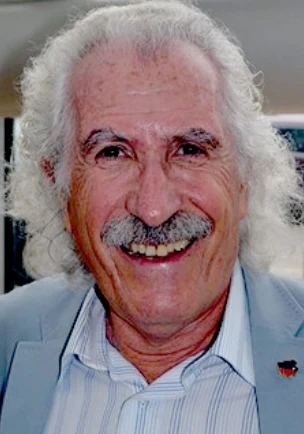
Profile overview
Who is Alexander Fridman?
Alexander Fridman is an inventor associated with United States. Their documented work in industrial & manufacturing includes Plasma systems for materials processing, fuel conversion, agriculture, and environmental control, the contribution at the center of this evidence-backed profile.
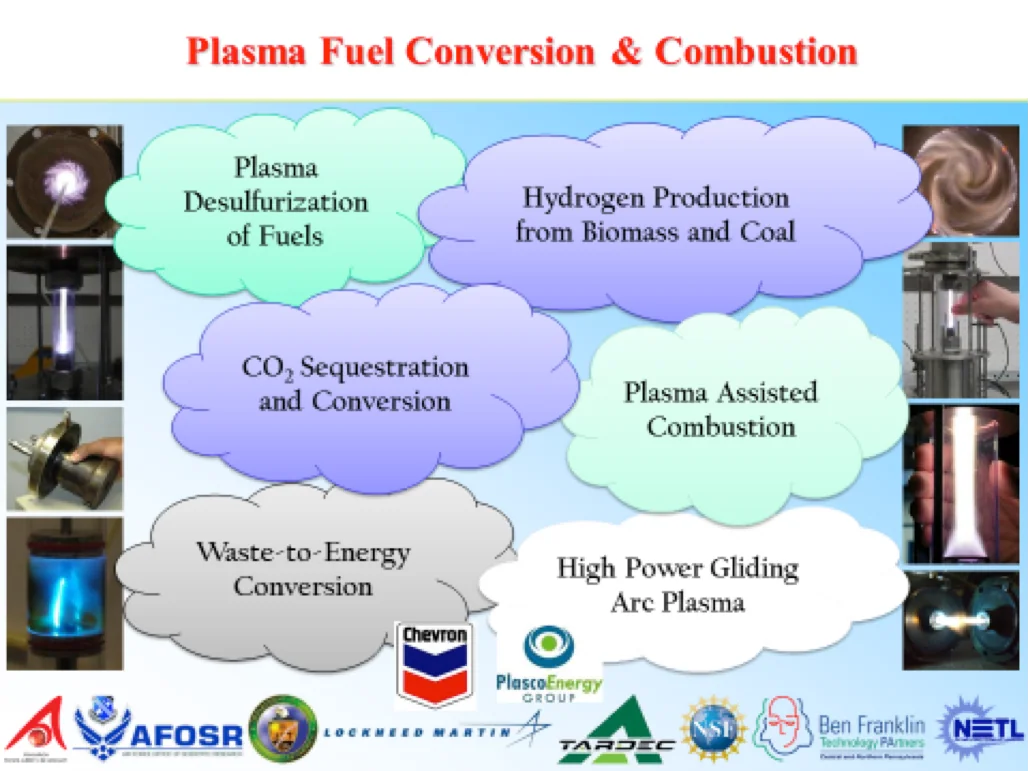
Alexander Fridman's NAI profile highlights Plasma systems for materials processing, fuel conversion, agriculture, and environmental control. A world leader in plasma science and technology, he made significant contribution to plasma fundamentals and applications to material processing, electronics, fuel conversion, environmental control, cosmetics, agriculture, and food processing.
What did Alexander Fridman invent?
NAI Fellow associated with Plasma systems for materials processing, fuel conversion, agriculture, and environmental control.
What did Alexander Fridman accomplish?
The official biography identifies its technical significance: A world leader in plasma science and technology, he made significant contribution to plasma fundamentals and applications to material processing, electronics, fuel conversion, environmental control, cosmetics, agriculture, and food processing.
What is known about Alexander Fridman today?
Present in the current NAI Fellows Directory checked 2026-07-27, without the directory’s deceased asterisk marker.

Comments
Write a comment